
How to Prepare for Facial

Preparing for a facial is not a checklist. It is a quiet lead-in to care, one that shapes how your skin responds and how deeply you settle into the experience. At DaeGlo Studio in Westhampton Beach, we view preparation as part of the ritual itself. What you do in the days leading up to your appointment influences comfort, clarity, and the way your skin receives touch, products, and time.
A thoughtfully prepared complexion allows your facial to unfold with ease. Treatments like our Signature Facial are designed to meet your skin where it is, yet that meeting point matters. When the barrier is calm and the surface is balanced, we can focus on refinement and glow rather than correction. Preparation creates space for intention, and intention always shows on the skin.
Understanding Why Facial Preparation Matters
Skin is responsive, intelligent, and deeply influenced by recent inputs. Products, stress, sun exposure, and even sleep patterns can alter how your skin behaves under treatment. When preparation is overlooked, the skin may react with sensitivity, congestion, or delayed results. When preparation is respected, the skin settles more quickly and receives benefit with less effort.
A facial works with the skin’s natural rhythms. Circulation increases, exfoliation speeds cell turnover, and massage encourages lymphatic flow. These processes are most effective when the skin is not in a state of defense. Thoughtful preparation supports the barrier so your facial becomes a collaboration rather than a negotiation.
Preparation also supports comfort. Skin that is inflamed or over-treated tends to feel tender during extractions or exfoliation. Calm skin experiences touch as soothing, not stimulating. This difference is subtle yet meaningful, and it shapes the quality of your time on the table.
The Week Before Your Facial
The most important preparation happens quietly, several days before your appointment. This window allows the skin to stabilize and respond naturally.
Pause Active Ingredients
Potent actives have a place in a well-designed routine, yet they should rest before professional care. Retinoids, exfoliating acids, and strong resurfacing treatments thin the outermost layer of the skin temporarily. When combined with a facial, this can increase sensitivity and limit what we can safely perform.
We recommend discontinuing retinoids, prescription vitamin A, exfoliating acids, and at-home peels five to seven days before your appointment. This pause allows the barrier to rebuild and reduces the risk of redness or overstimulation. Your skin does not lose progress during this time. It simply regains balance.
Avoid Excessive Sun Exposure
Sun exposure triggers inflammation even before a visible burn appears. Skin that has been overexposed becomes warm, reactive, and less receptive to treatment. In the week before your facial, be mindful of prolonged sun, beach days, and tanning. Protective clothing and mineral sunscreen support your skin without adding stress.
If sun exposure is unavoidable, hydration and barrier support become even more important. Let your skin rest rather than compensate with aggressive products.
Simplify Your Routine
Preparation is a time for restraint. Cleanse gently, moisturize consistently, and avoid introducing new products. Novel ingredients can trigger unexpected reactions that linger into your appointment.
A simple routine supports predictability. When we understand how your skin has been treated recently, we can tailor your facial with precision. Consistency allows us to read the skin accurately and respond with care.
The Day Before Your Appointment
The day before your facial sets the tone. Think softness, hydration, and rest.
Avoid exfoliation, facial tools, or prolonged heat exposure. Steam rooms, saunas, and hot yoga increase circulation in a way that can leave the skin flushed and sensitive the following day. Lukewarm water and gentle cleansing are ideal.
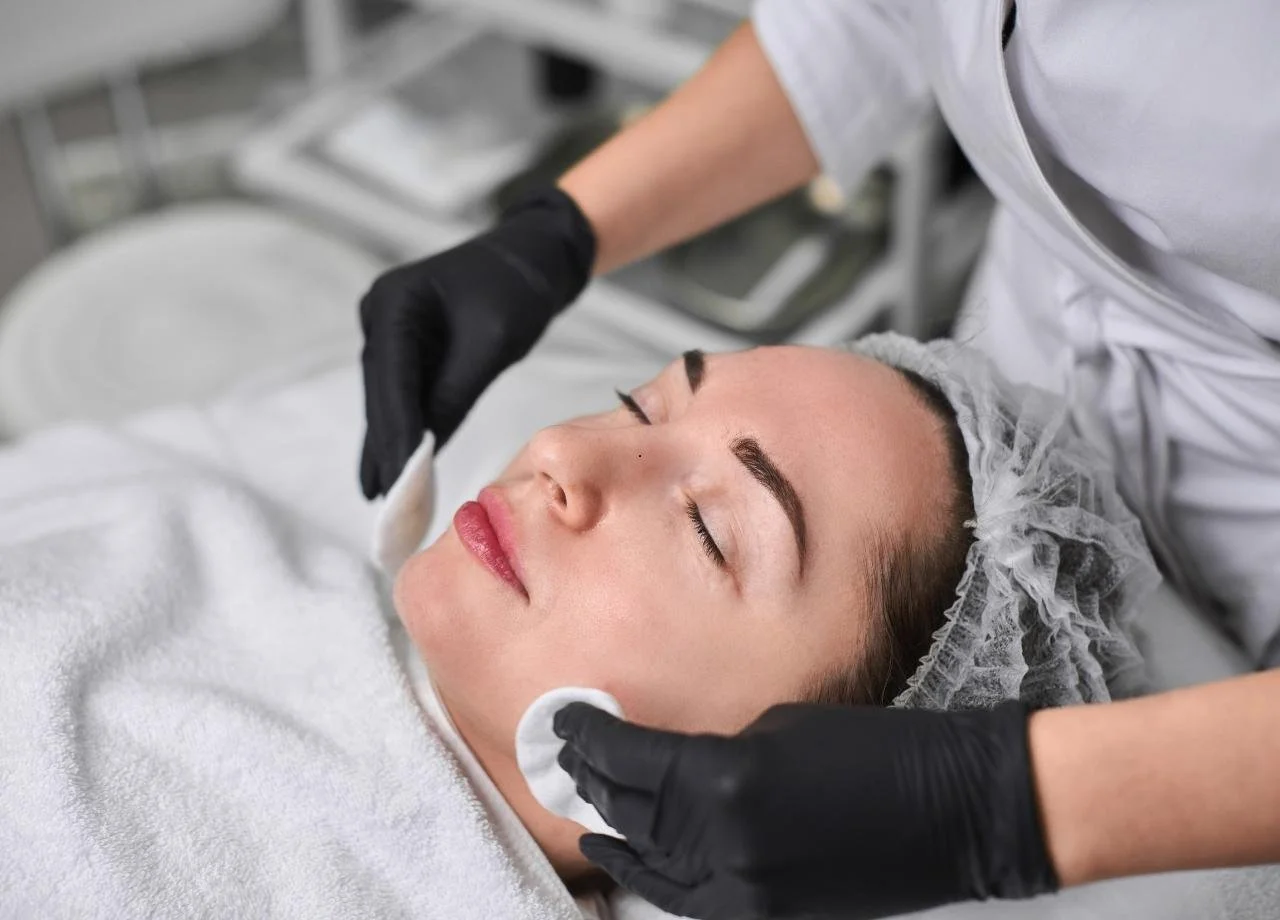
Hydration matters deeply at this stage. Well-hydrated skin responds more gracefully to massage and absorbs treatment products more evenly. Drink water consistently throughout the day and nourish your skin topically with a barrier-supportive moisturizer.
Sleep also plays a role. Rest supports cellular repair and reduces cortisol-driven inflammation. Even one night of quality sleep can improve skin tone and comfort.
Preparing Skin on the Day of Your Facial
On the day of your appointment, less is more. Cleanse your skin lightly if needed, then apply a simple moisturizer and sunscreen if you will be outdoors. Avoid makeup when possible, though we are always happy to remove it gently upon arrival.
Skip fragrance, facial oils, and heavy occlusives. These can interfere with cleansing and assessment. Arrive with skin that feels like itself, not masked or altered.
Take a few moments before your appointment to arrive mentally as well. A facial is not only a skin treatment. It is time set aside for restoration. Allow yourself to slow down before stepping into the studio.
What to Share With Your Esthetician
Open communication allows us to care for your skin responsibly. Share recent changes in your routine, medications, or lifestyle that may affect your skin. Hormonal shifts, travel, stress, and health changes all leave traces on the complexion.
Let us know if you have experienced recent sensitivity, breakouts, or procedures. Even treatments performed weeks earlier can influence how your skin responds today. Transparency supports safety and customization.
Your esthetician may ask about long-term goals and immediate concerns. These conversations guide the rhythm and focus of your facial. There is no right answer, only information that helps us serve your skin thoughtfully.
Mental and Physical Readiness
Preparation extends beyond products. Tension held in the jaw, shoulders, and breath influences how deeply you relax. A facial unfolds best when the nervous system feels safe.
Eat lightly before your appointment. Heavy meals can draw blood flow toward digestion, leaving the skin slightly dull or sluggish. Gentle nourishment supports circulation without distraction.
Arrive with time to spare. Rushing elevates stress hormones that show up quickly on the skin. A calm arrival allows your body to transition into rest before treatment begins.
Common Preparation Mistakes We See
Over-preparing is more common than under-preparing. Clients often exfoliate or try new masks in hopes of enhancing results. This usually does the opposite. Skin that has been recently scrubbed or resurfaced may limit what we can perform safely.
Another common misstep is discontinuing moisturizer out of fear of congestion. Dehydrated skin often produces more oil in response. Maintaining hydration supports balance and clarity.
Avoid picking or extracting at home. Manipulating blemishes creates inflammation beneath the surface that may not be visible yet still affects treatment comfort and outcomes.
How Preparation Shapes Results
Well-prepared skin responds with softness, luminosity, and ease. Massage feels fluid, extractions are gentler, and post-facial glow settles quickly rather than flaring. Preparation does not change the quality of products used. It changes how your skin receives them.
Clients who prepare consistently notice that their results last longer. Skin retains hydration more effectively and maintains clarity with less intervention. Preparation builds trust between skin and care.
This trust allows us to work progressively over time. Each facial builds upon the last rather than repairing what came before.
Aftercare Begins With Preparation
What you do before your facial influences what you can do after. Skin that has been supported rather than stressed recovers more smoothly. Redness resolves quickly and the barrier remains intact.
Post-facial guidance often includes continued simplicity and hydration. When preparation has been honored, these recommendations feel natural rather than restrictive.
Preparation also informs home care. When we see how your skin behaves in a calm state, we can recommend products and routines with greater accuracy.
A Ritual, Not a Task
Preparing for a facial is an act of respect toward your skin. It is not about perfection or control. It is about creating the conditions for care to land gently and work deeply.
At DaeGlo Studio, we believe preparation mirrors the values of clean beauty and intentional living. It asks for awareness, restraint, and trust. When you arrive prepared, your facial becomes more than a treatment. It becomes a conversation between skin, touch, and time.
Your glow begins before you step through our door.
