
How Often Should You Get a Facial in Your 50s
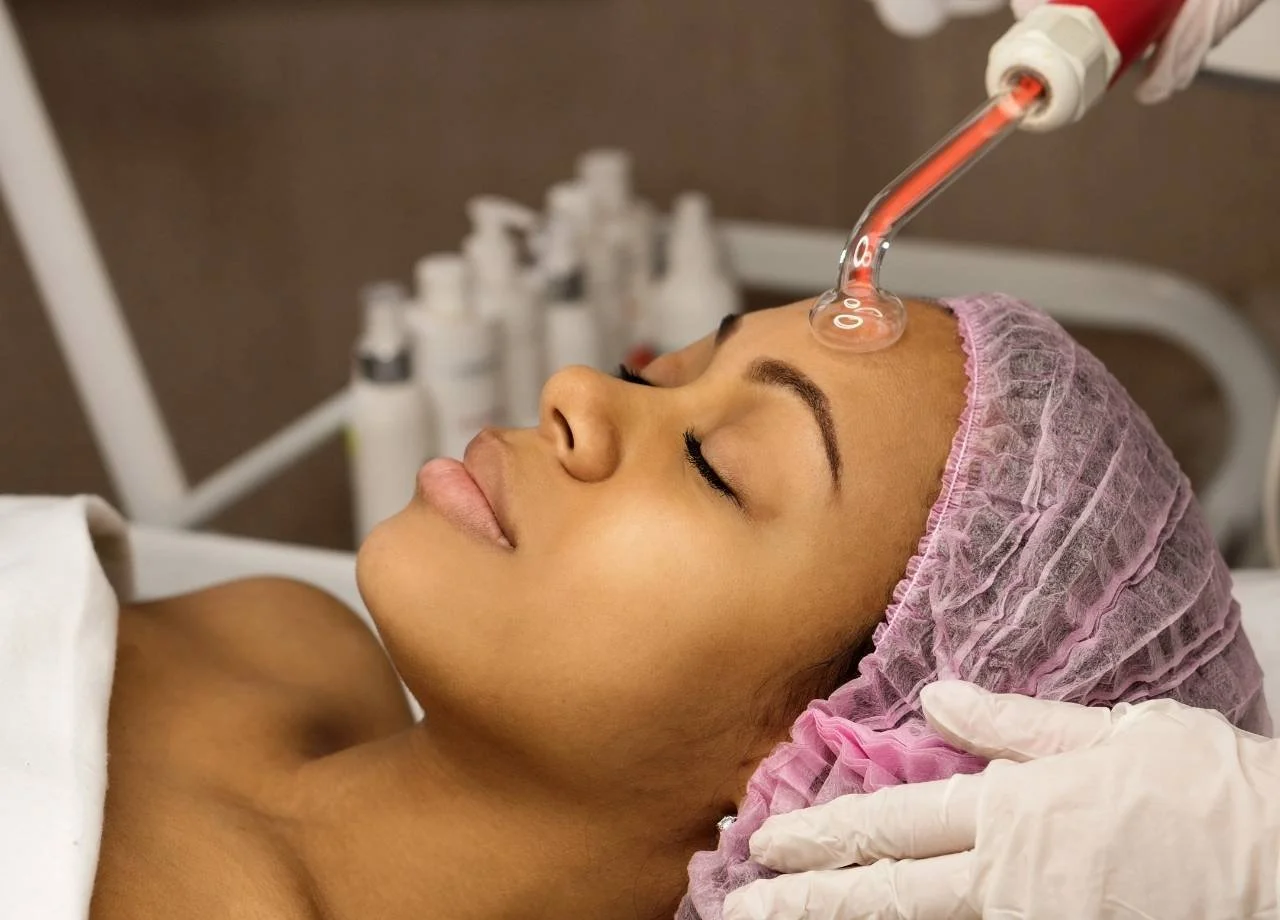
Entering your 50s invites a new rhythm for the skin. Years of sun exposure, hormonal shifts, and environmental stressors begin to reveal themselves in more visible ways—fine lines settle deeper, collagen renewal slows, and natural hydration becomes less efficient. These changes don’t signify loss, but rather an invitation to care for the skin with deeper intentionality.
At DaeGlo Studio in Westhampton Beach, we see this stage as an opportunity to strengthen the skin’s resilience and radiance through thoughtful, consistent care. Regular facials become not just a luxury, but a key part of maintaining healthy function and visible vitality. Treatments like our Signature DaeGlo Facial are designed to support mature skin with precision, hydration, and gentle renewal, creating balance that extends well beyond the surface.
Determining how often you should get a facial in your 50s depends on your skin’s unique needs, your at-home habits, and the way your skin responds to professional treatments. Understanding the rhythm of cell turnover and the way mature skin behaves can help establish a ritual that sustains its natural luminosity.
Understanding Skin in Your 50s
By the time you reach your 50s, the skin’s ability to regenerate slows considerably. Cellular renewal, which once occurred every 28 days, can now take up to 45 or even 60 days. This means old cells linger longer on the surface, leading to dullness and uneven texture. Natural oil production also decreases, leaving the skin feeling drier and more fragile.
Hormonal changes—particularly the decline of estrogen—play a significant role in how the skin behaves during this decade. Estrogen supports elasticity and moisture retention, so as levels drop, skin may lose its firmness and appear thinner. Sun exposure over the years also accumulates, contributing to discoloration and fine lines.
Professional facials in your 50s address these layered concerns with targeted techniques that stimulate renewal and hydration. Treatments that include gentle exfoliation, enzyme therapy, and LED light can help re-energize sluggish skin cells, while lymphatic massage supports circulation and tone.
The goal is not to chase youth, but to nurture integrity—the kind of glow that comes from skin that is well cared for and deeply balanced.
The Ideal Frequency for Facials in Your 50s
For most clients in their 50s, a facial every four to six weeks is ideal. This timing aligns with the skin’s slower renewal cycle and allows each treatment to build upon the last. Regularity keeps the skin consistently hydrated, promotes collagen activity, and helps maintain a smoother, more luminous complexion.
If your skin is experiencing specific challenges—such as hormonal dryness, sensitivity, or visible pigment changes—your esthetician may recommend a more customized schedule for a period of time. Sometimes, a series of treatments performed closer together can help restore balance before moving into a maintenance rhythm.
Between visits, the benefits of professional care are best preserved through mindful home rituals. Using products that support the barrier, such as ceramide-rich moisturizers and antioxidant serums, keeps the skin’s protective function strong. Daily sun protection is also essential, even in cooler months, to prevent further breakdown of collagen and uneven tone.
Regular facials also allow your esthetician to monitor subtle changes in your skin over time. In your 50s, these shifts can be more frequent, and having a professional who understands your baseline helps ensure the skin receives exactly what it needs at each stage.
Seasonal Adjustments and Skin Rhythms
Your facial schedule in your 50s may benefit from seasonal adjustments. The dry winter air often demands more frequent hydration-focused treatments to keep the skin supple, while the summer months may call for gentle exfoliation and antioxidant support to address sun exposure and heat-induced sensitivity.
A seasonal approach allows for fine-tuning—enhancing the skin’s ability to adapt to changes in humidity, temperature, and light. At DaeGlo Studio, we often recommend modifying your ritual slightly throughout the year. For example, pairing a hydrating facial with LED therapy in winter can deeply replenish the skin, while a brightening enzyme treatment in summer can refresh tone and clarity.
This rhythm not only enhances results but encourages a mindful relationship with your skin. When you treat your facial appointments as part of your seasonal self-care, the benefits extend beyond appearance—they help maintain a sense of groundedness and presence in your overall wellbeing.
Supporting Collagen and Elasticity Through Consistency
One of the most important reasons to maintain regular facials in your 50s is to support collagen production. Collagen synthesis declines steadily after the age of 40, and by 50, this reduction can become more pronounced. Professional treatments that stimulate renewal—through massage, light therapy, or advanced modalities like microcurrent—help encourage firmness and tone.
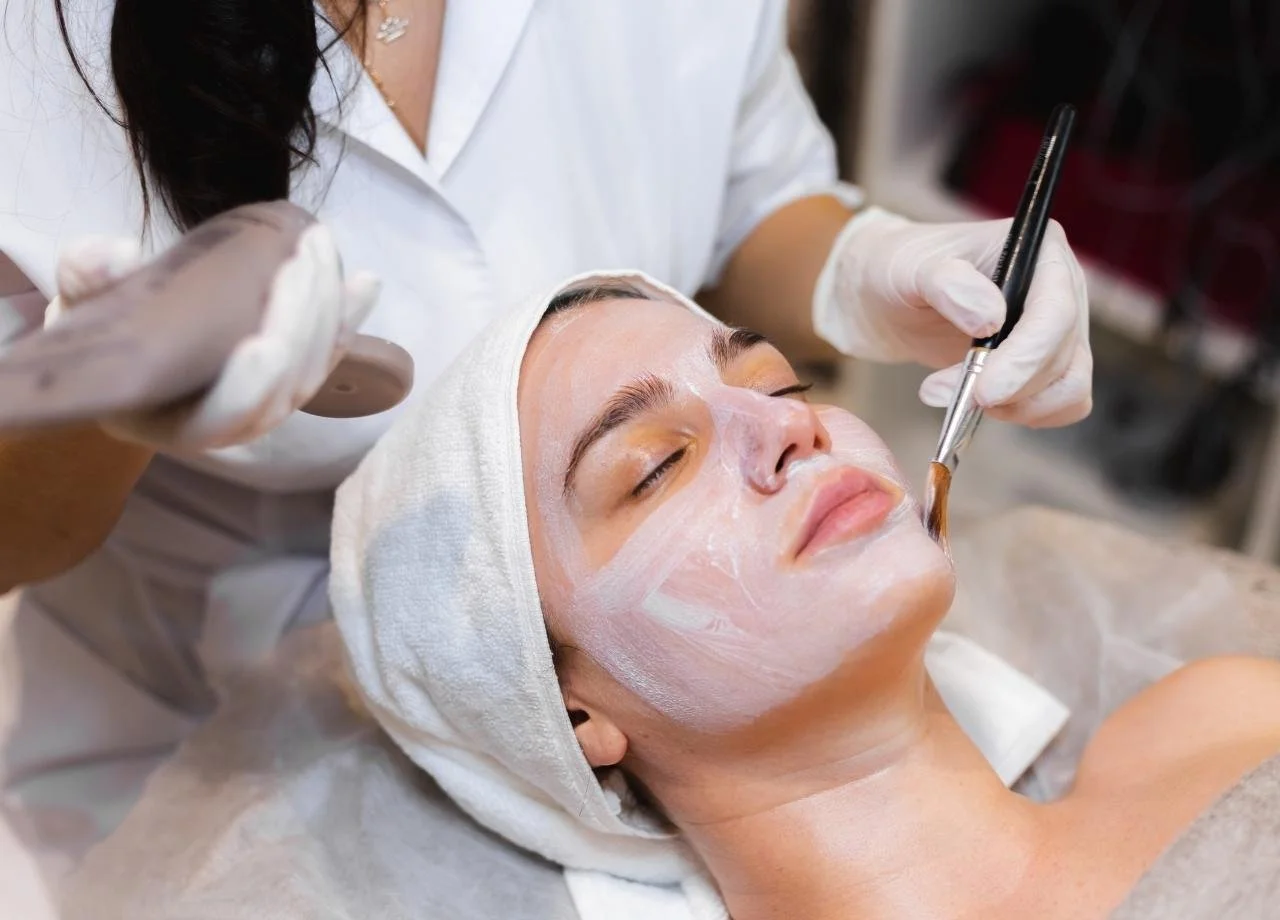
Each facial session provides a gentle reminder to the skin to keep regenerating. Over time, consistent care helps minimize the appearance of fine lines and supports a more lifted, resilient complexion. Treatments focused on hydration and nourishment are equally vital, as dry skin can emphasize wrinkles and texture.
At DaeGlo Studio, we often see the most visible improvement in clients who view their facial appointments as part of an ongoing commitment rather than an occasional indulgence. The skin responds beautifully to routine; consistency becomes its greatest ally.
Integrating Home Care Between Facials
Between professional treatments, the way you care for your skin at home determines how well your facial results endure. In your 50s, less is often more. Focusing on quality formulations that strengthen the barrier and replenish moisture will always yield better results than layering too many actives.
Look for gentle cleansers that preserve hydration, rich moisturizers that include ceramides and peptides, and serums that deliver antioxidants and vitamin C. Retinol or retinaldehyde can still play a role, but should be introduced gradually and balanced with nourishing ingredients. Hydrating mists and facial oils can also enhance suppleness and comfort throughout the day.
Your esthetician can help refine your regimen to work in harmony with your facial schedule. When professional and at-home care align, the results are more enduring and the skin’s texture remains calm and luminous between visits.
The Role of Self-Care in Skin Longevity
Skin health at any age is deeply connected to overall wellbeing. Stress, sleep, and nutrition all influence how the skin behaves and repairs itself. Regular facials offer more than visible benefits—they create a pause for rest and renewal that your skin and mind both crave.
During your facial, the act of slowing down allows the nervous system to settle. Circulation improves, muscles release tension, and the skin receives nourishment more efficiently. This physiological balance is why many clients in their 50s notice a brighter, more lifted appearance immediately following a treatment.
When you approach skincare as a ritual rather than a routine, your results naturally deepen. The glow that emerges is not just from exfoliation or hydration—it reflects balance within the body itself.
Crafting a Skincare Rhythm That Honors Your Skin
Your 50s are not a time of decline, but of refinement. The skin asks for consistency, care, and attention to detail. Regular facials every four to six weeks, combined with a thoughtful home regimen, can preserve your skin’s vitality and reflect the confidence of this stage of life.
At DaeGlo Studio, every treatment is designed to honor that rhythm—tailored to how your skin feels and functions today, while supporting its strength for the future. The frequency of your facials becomes a conversation between you and your skin, guided by professional expertise and the quiet awareness that beauty, at its most authentic, is a reflection of care.
Discover your glow through intention and consistency. Your skin will thank you in its own radiant language.
