
Does Facial Massage Have an Effect on Sebum?
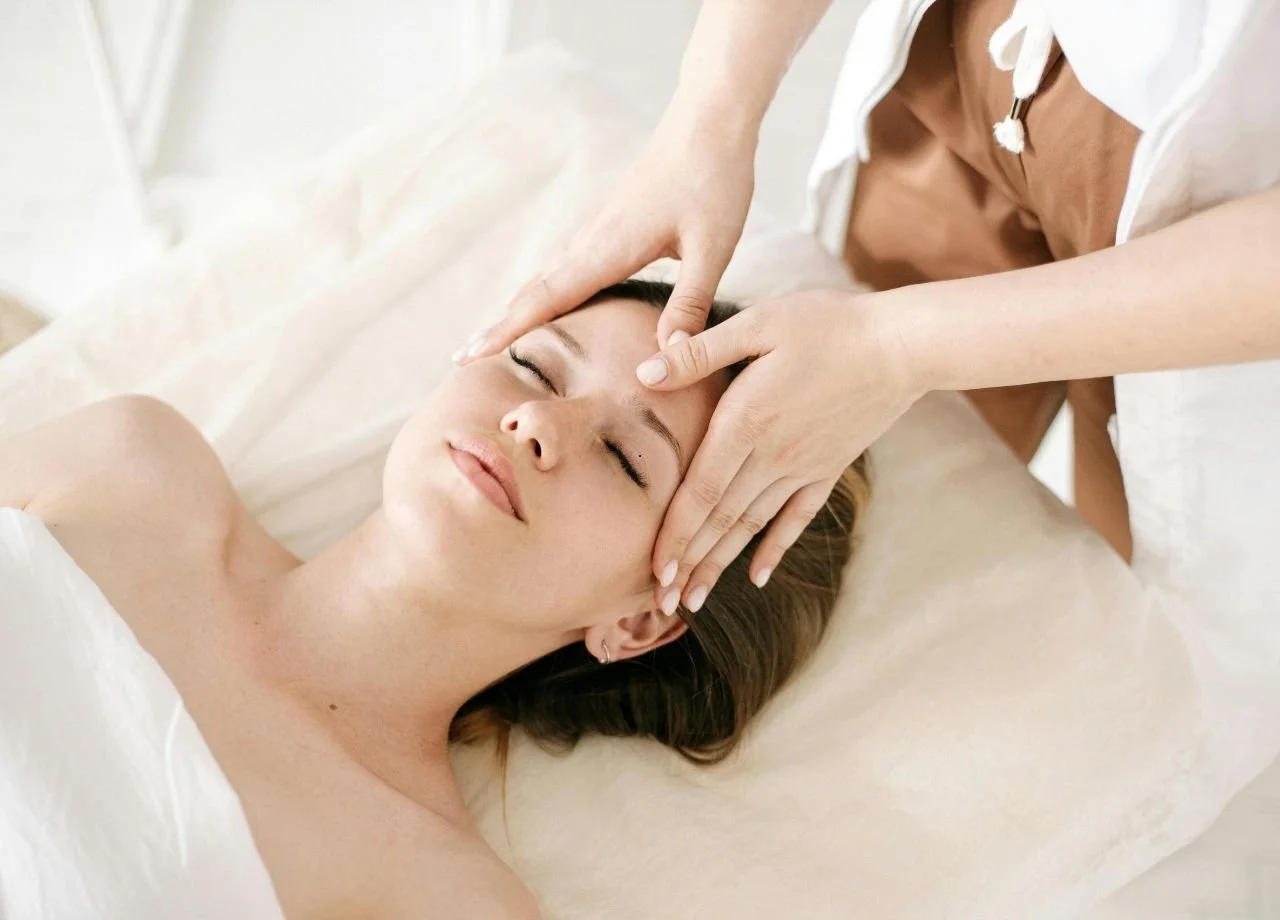
Sebum is one of the most discussed and misunderstood elements of skin health. It is often blamed for congestion, shine, and breakouts, yet it is also essential for maintaining softness, resilience, and barrier function. In our facial studio in Westhampton Beach, we hear thoughtful questions every week about how hands-on techniques influence oil production. One of the most common is whether facial massage actually affects sebum, and if so, how.
Facial massage is a foundational element of many professional treatments we offer, including our signature customized facial rituals that focus on circulation, tone, and relaxation. These techniques are never applied casually. Each movement is chosen with intention, informed by skin physiology rather than trend or tradition alone. Understanding how massage interacts with sebum helps clarify why touch can be either supportive or disruptive depending on how it is performed.
Understanding Sebum and Its Purpose in the Skin
Sebum is an oily substance produced by the sebaceous glands, which are attached to hair follicles across most of the face. These glands respond to hormonal signals, genetic factors, and local skin conditions. Sebum travels up the follicle and spreads across the surface, where it mixes with sweat and cellular lipids to form part of the skin’s protective barrier.
This barrier plays a quiet but vital role. It limits water loss, shields against environmental stressors, and supports a balanced microbiome. When sebum levels are appropriate for an individual’s skin type, the complexion often appears supple and calm. When production is excessive or uneven, it can contribute to congestion or a persistent sheen, especially through the T-zone.
It is important to understand that sebum production is regulated internally. The glands do not switch on or off in response to a single external stimulus. Any discussion of facial massage and sebum must begin with this reality. Massage does not directly command sebaceous glands to produce more or less oil in the way hormones do. Its influence is more indirect and more subtle.
How Facial Massage Interacts With Skin Physiology
Facial massage primarily affects circulation, lymphatic flow, muscle tone, and the movement of fluids within the skin. When performed correctly, it increases blood flow to the dermis, bringing oxygen and nutrients while supporting cellular turnover. This increased circulation often creates a temporary flush and a sense of warmth.
Massage also encourages lymphatic drainage, which helps move metabolic waste away from the tissues. This is particularly valuable for clients who experience puffiness or dullness. Improved lymph flow can enhance clarity and reduce stagnation, which indirectly supports healthier-looking skin.
In relation to sebum, massage can influence how oil is distributed across the surface of the skin. Gentle, rhythmic movements can help spread existing sebum more evenly, reducing the appearance of localized oiliness while supporting barrier comfort in drier areas. This redistribution is often mistaken for increased oil production, when in reality the oil was already present.
Can Facial Massage Increase Sebum Production?
A common concern is that massage may stimulate sebaceous glands and lead to oilier skin. From both a physiological and clinical standpoint, there is no strong evidence that facial massage increases sebum production in a lasting way. Sebaceous glands are influenced by hormones like androgens, not by mechanical touch alone.
That said, massage can temporarily bring oil to the surface. Heat, increased circulation, and physical movement can encourage sebum that was sitting deeper in the follicle to migrate outward. This can make the skin appear shinier immediately after treatment, particularly for those with naturally oil-prone skin.
This effect is short-lived. Within hours, the skin typically returns to its baseline state. When massage is paired with appropriate cleansing and finishing products, the surface balance often looks more refined rather than more oily.
When Massage Can Feel Too Stimulating for Oily Skin
Although massage does not reprogram sebaceous glands, technique matters. Aggressive pressure, rapid friction, or prolonged manipulation can overstimulate the skin. This type of stimulation can compromise the barrier, leading to dehydration beneath the surface. When skin senses dehydration, it may respond by producing more oil as a protective measure.
This response is not caused by massage itself, but by irritation. Skin that feels scrubbed, overheated, or sensitized may show a rebound oiliness that clients attribute to massage, when the true cause is barrier stress.
In our practice, we avoid this by tailoring pressure and pacing to each client’s skin type and current condition. Oily and acne-prone skin benefits from slower movements, lighter touch, and supportive hydration rather than vigorous manipulation.
Facial Massage and Sebum Regulation Over Time
Regular, well-executed facial massage can support healthier skin behavior over time, including how sebum presents on the surface. By improving circulation and lymphatic flow, massage helps skin function more efficiently. Efficient skin tends to appear more balanced, with fewer extremes of dryness or excess oil.
Massage also plays a role in nervous system regulation. Stress is known to influence hormonal pathways that affect sebum production. Facial massage promotes parasympathetic activity, encouraging relaxation. This calming effect may indirectly support more stable oil production in clients whose skin flares during periods of chronic stress.
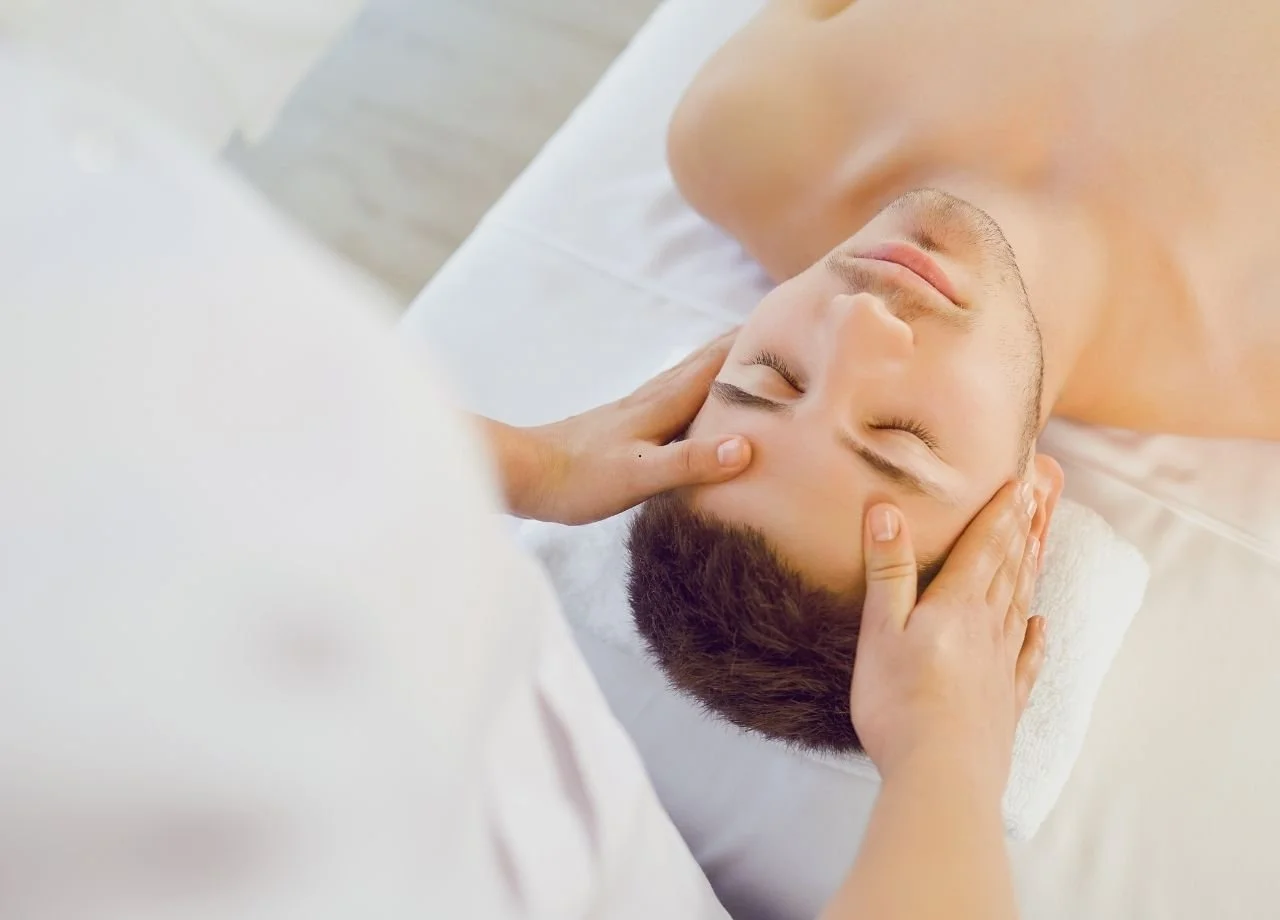
From our experience, clients who receive consistent treatments with mindful massage often report that their skin feels more predictable. Shine is easier to manage, congestion resolves more readily, and the complexion feels resilient rather than reactive.
The Difference Between Professional and At-Home Facial Massage
At-home facial massage has grown in popularity, driven by social media tutorials and beauty tools. While gentle self-massage can be beneficial, it often lacks the precision and restraint of professional work. Many people apply too much pressure, use inappropriate products, or repeat movements excessively.
Professional facial massage is guided by an understanding of anatomy, skin conditions, and flow patterns. Each movement has a purpose, and sessions are adjusted in real time based on how the skin responds. This level of customization is difficult to replicate at home.
For individuals concerned about oiliness or congestion, professional guidance is especially valuable. A trained esthetician can incorporate massage in a way that supports balance rather than disruption, ensuring that sebum is respected rather than fought.
Product Choice and Its Role During Massage
The medium used during facial massage has a significant influence on how the skin responds. Heavy occlusive oils may feel luxurious but can be inappropriate for certain skin types. When used incorrectly, they can trap heat and sebum, increasing the likelihood of congestion.
In our studio, massage mediums are selected based on skin behavior, not trend. Lightweight emulsions, breathable oils, or gel-based serums allow for glide without suffocating the skin. These choices help maintain clarity while still delivering the sensory benefits of touch.
Proper removal of massage products is equally important. Thorough but gentle cleansing ensures that redistributed sebum and spent product do not linger on the surface, supporting a fresh finish rather than a heavy one.
Facial Massage Within a Balanced Skincare Ritual
Facial massage should never exist in isolation. Its effect on sebum is shaped by the surrounding steps of a treatment or daily routine. Cleansing, hydration, and barrier support all influence how the skin interprets touch.
When massage is integrated into a thoughtful ritual, it complements the skin’s natural rhythms. It encourages circulation without agitation, movement without friction, and relaxation without residue. This is the approach we take in our customized facial services, where massage is one element within a cohesive experience.
Clients often notice that their skin feels softer and more comfortable after these treatments, not greasier. This outcome reflects balance rather than suppression.
What the Research and Clinical Observation Agree On
Scientific research on facial massage and sebum is limited, but existing studies and clinical observation align on key points. Mechanical stimulation alone does not significantly alter sebum production. Changes observed after massage are typically related to redistribution, barrier response, or temporary circulation shifts.
Long-term improvements in oil balance are more likely linked to reduced inflammation, improved barrier health, and stress modulation. Facial massage supports all three when performed with skill and restraint.
Our years of hands-on experience confirm this. When massage respects the skin’s limits, it becomes a supportive practice rather than a destabilizing one.
A Thoughtful Answer to a Common Question
So, does facial massage have an effect on sebum? The answer is yes, but not in the way it is often assumed. Massage does not directly increase oil production, nor does it shut it down. Instead, it influences how sebum moves, how the skin barrier functions, and how the nervous system communicates with the skin.
When guided by expertise, facial massage can help oily skin feel more balanced and dry skin feel more comfortable. The difference lies in intention, technique, and integration within a complete skincare ritual.
At DaeGlo Studio, we view facial massage as a conversation with the skin rather than a command. It is an exchange that, when done well, supports clarity, comfort, and natural radiance without forcing the skin into submission. For those seeking a more harmonious relationship with their skin, that distinction makes all the difference.
