
Can I Work Out After a Facial? A Professional Guide to Timing, Skin Health, and Results
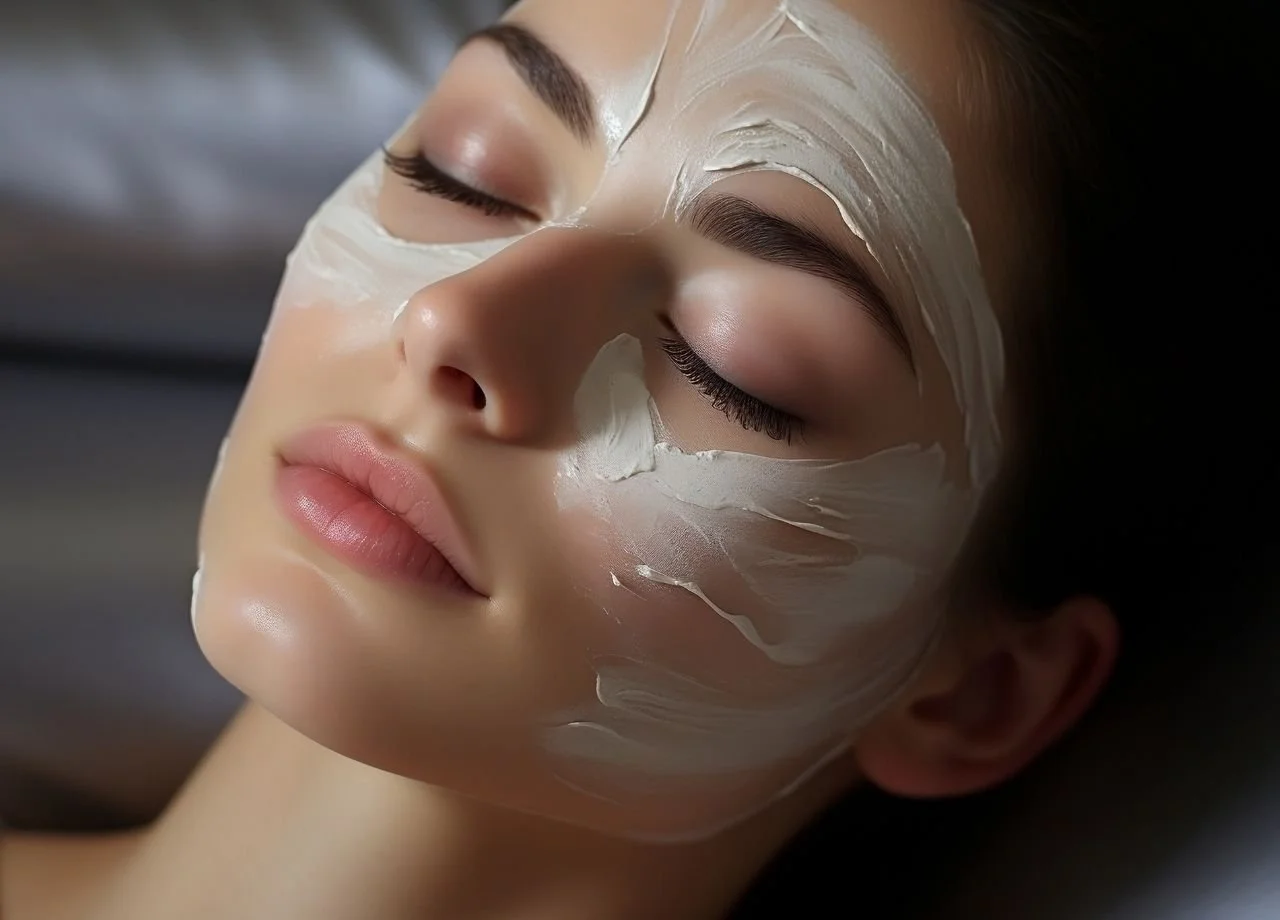
This is one of the most common questions we hear in the treatment room, especially from clients who balance an active lifestyle with thoughtful skin care. Movement supports circulation, mood, and overall wellness. Facials support clarity, hydration, and long term skin balance. The timing between the two matters more than most people realize.
From our perspective as a facial studio rooted in clean practices and research driven care, a facial is not just a surface level refresh. It is a moment when the skin is intentionally exfoliated, infused, massaged, and often stimulated to encourage renewal. Treatments like our customized facial rituals are designed to leave skin receptive, calm, and supported. That receptive state is exactly why post facial choices can either extend results or quietly undo them.
So can you work out after a facial? The short answer is not right away. The more helpful answer is understanding why, how long to wait, and how to plan both your workout and your facial so they work in harmony.
What Happens to Your Skin During a Facial
A facial temporarily changes how your skin behaves. Cleansing removes surface debris and oil. Exfoliation lifts dead skin cells and smooths texture. Extractions, when appropriate, open pores to clear congestion. Massage increases circulation and lymphatic movement. Serums and masks deliver active ingredients while the skin is most open to receiving them.
All of this leaves the skin in a heightened state of activity. Blood flow is increased. Pores are more open than usual. The protective barrier is softer and more permeable for several hours. This is not a fragile state, but it is a sensitive one.
Think of a facial as guided restoration. Your skin has done work. It needs a period of calm to settle, normalize, and integrate the benefits of the treatment.
Why Sweating Too Soon Can Disrupt Results
Sweating is a natural and healthy function, but timing is everything. During a workout, body temperature rises and pores open further to release heat and sweat. That sweat carries salt, bacteria, and metabolic waste to the surface of the skin.
When this happens too soon after a facial, several issues can arise. Open pores are more likely to trap sweat and bacteria, which may lead to congestion or breakouts. Recently exfoliated skin can become irritated more easily, leading to redness or stinging. Any extractions performed need time to close and calm. Sweat can interfere with that process.
Heat also increases inflammation. If your facial included exfoliating acids, enzymes, or active botanicals, additional heat can amplify sensitivity. Even clients with resilient skin may notice flushing or uneven tone when exercise follows too closely after treatment.
How Long Should You Wait to Work Out After a Facial?
For most facials, we recommend waiting at least 24 hours before engaging in intense exercise. This window allows pores to return to their normal state, redness to subside, and the skin barrier to rebalance.
Gentle movement like walking, stretching, or light yoga may feel tempting. In some cases, low intensity activity is fine after 12 hours if it does not cause heavy sweating or overheating. Hot yoga, spin classes, running, strength training, and high intensity workouts should always wait the full day.
If your facial included deeper exfoliation, extractions, LED therapy, or targeted treatments for acne or pigmentation, err on the side of more rest. Skin that has been intentionally stimulated benefits from quiet integration.
Different Facials, Different Recovery Needs
Not all facials ask the same thing of your skin. Understanding what kind of treatment you received helps determine how cautious you should be.
Hydration focused facials that emphasize soothing masks and barrier support tend to have shorter recovery periods. Even then, we still encourage waiting before sweating heavily so hydration stays sealed into the skin.
Facials that include exfoliating acids, enzymes, or dermaplaning remove layers of dead skin and expose fresh cells. These treatments create beautiful glow, but they also leave skin more vulnerable to irritation from heat and sweat.
Acne focused facials often include extractions. The skin needs time to close and repair those areas. Sweating too soon can push bacteria back into freshly cleared pores.
Anti aging or brightening facials often rely on active ingredients that continue working for hours after you leave the studio. Heat and sweat can interfere with their effectiveness.
What Happens If You Ignore the Waiting Period
Clients sometimes ask if one workout really makes a difference. The answer depends on your skin type and goals, but the risk is real.
You may notice small breakouts in areas that were recently extracted. Redness may linger longer than expected. Sensitive skin may feel itchy or tight. In some cases, post inflammatory hyperpigmentation can develop if the skin becomes irritated and inflamed after exfoliation.
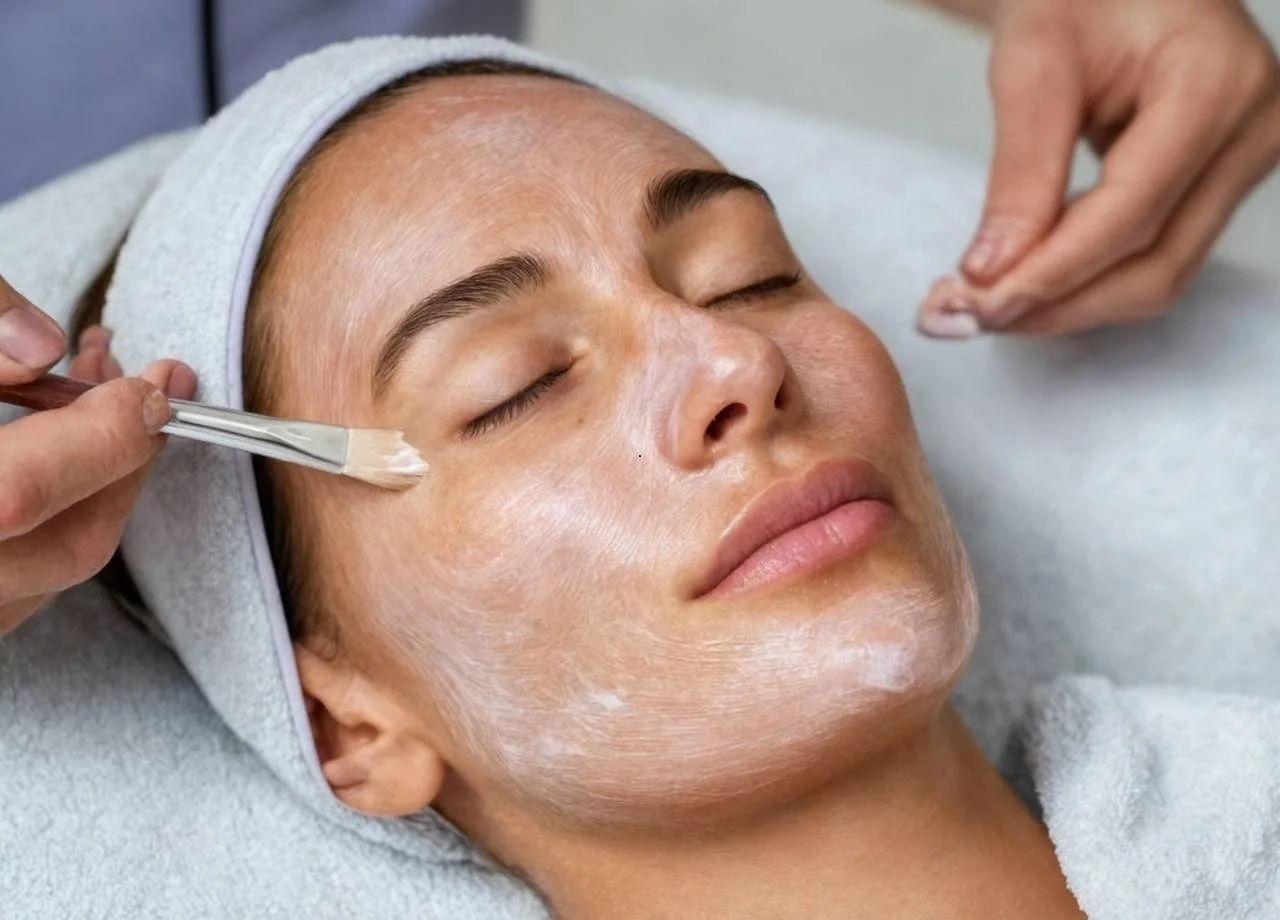
Even if nothing dramatic appears, working out too soon can shorten the lifespan of your results. That glow may fade faster. Hydration may not hold as long. Texture improvements may feel less noticeable.
A facial is an investment of time, care, and intention. Giving your skin space to recover protects that investment.
Planning Your Facial Around Your Fitness Routine
The easiest way to avoid this conflict is thoughtful scheduling. If you have a regular workout routine, book your facial after your workout rather than before. Morning exercise followed by an afternoon or evening facial works beautifully.
If your facial is booked on a rest day, treat that day as active recovery. Gentle walks, stretching, and mobility work support circulation without overwhelming the skin.
For clients training for events or maintaining a strict schedule, we often recommend booking facials at least one day before rest days. This allows you to fully enjoy both practices without compromise.
What About Working Out Before a Facial?
Exercising before a facial is usually fine and often helpful. Increased circulation can enhance the benefits of massage and product absorption. The key is arriving with clean skin.
Always cleanse thoroughly before your appointment. Remove sweat, sunscreen, and makeup so the skin is clear and ready for treatment. Let your esthetician know if you worked out beforehand so they can tailor cleansing and exfoliation appropriately.
Post Facial Care That Supports Active Lifestyles
If you live an active life, post facial care becomes even more important. Keep skin clean but gentle. Avoid harsh cleansers, scrubs, or active products for at least 24 hours. Focus on hydration and barrier support.
Skip saunas, steam rooms, hot tubs, and long hot showers during the recovery window. Heat exposure behaves similarly to intense exercise and can extend redness or sensitivity.
Sun protection is essential. Freshly treated skin is more reactive to UV exposure. Apply a mineral sunscreen once your esthetician advises it is appropriate.
Hydration from the inside out matters as well. Water supports circulation and skin repair without introducing heat or irritation.
Listening to Your Skin After Treatment
Every skin type responds a little differently. Some clients feel calm and balanced immediately after a facial. Others experience temporary warmth or pinkness that fades within hours. Pay attention to how your skin feels.
If your face feels warm, tight, or slightly flushed, that is a signal to rest. If your skin feels cool, calm, and hydrated, gentle movement may be fine later in the day, as long as it does not lead to sweating.
When in doubt, choose rest. Skin thrives on consistency and patience more than intensity.
Why Rest Is Part of Skin Care, Not an Interruption
In wellness culture, rest is often framed as optional. In skin care, rest is essential. Cellular repair, collagen support, and barrier function all improve during periods of calm.
A facial initiates these processes. Your role afterward is to protect and support them. Skipping one workout or delaying it by a day allows your skin to complete the work it has begun.
From our professional experience, clients who respect this rhythm see clearer skin, longer lasting glow, and fewer post treatment concerns over time.
The Bottom Line on Working Out After a Facial
Yes, you can work out after a facial. Just not right away. Waiting 24 hours protects your skin, preserves results, and supports long term health. Planning your workouts and treatments with intention allows both practices to enhance each other rather than compete.
Skin care is not separate from the rest of your life. It is part of how you care for your body as a whole. When you honor recovery, your skin responds with balance, resilience, and natural radiance.
If you ever have questions about timing, recovery, or how to align treatments with your lifestyle, we always encourage open conversation. Thoughtful guidance is part of the facial experience, and your skin deserves nothing less.
