
Are Facials Good for Acne?
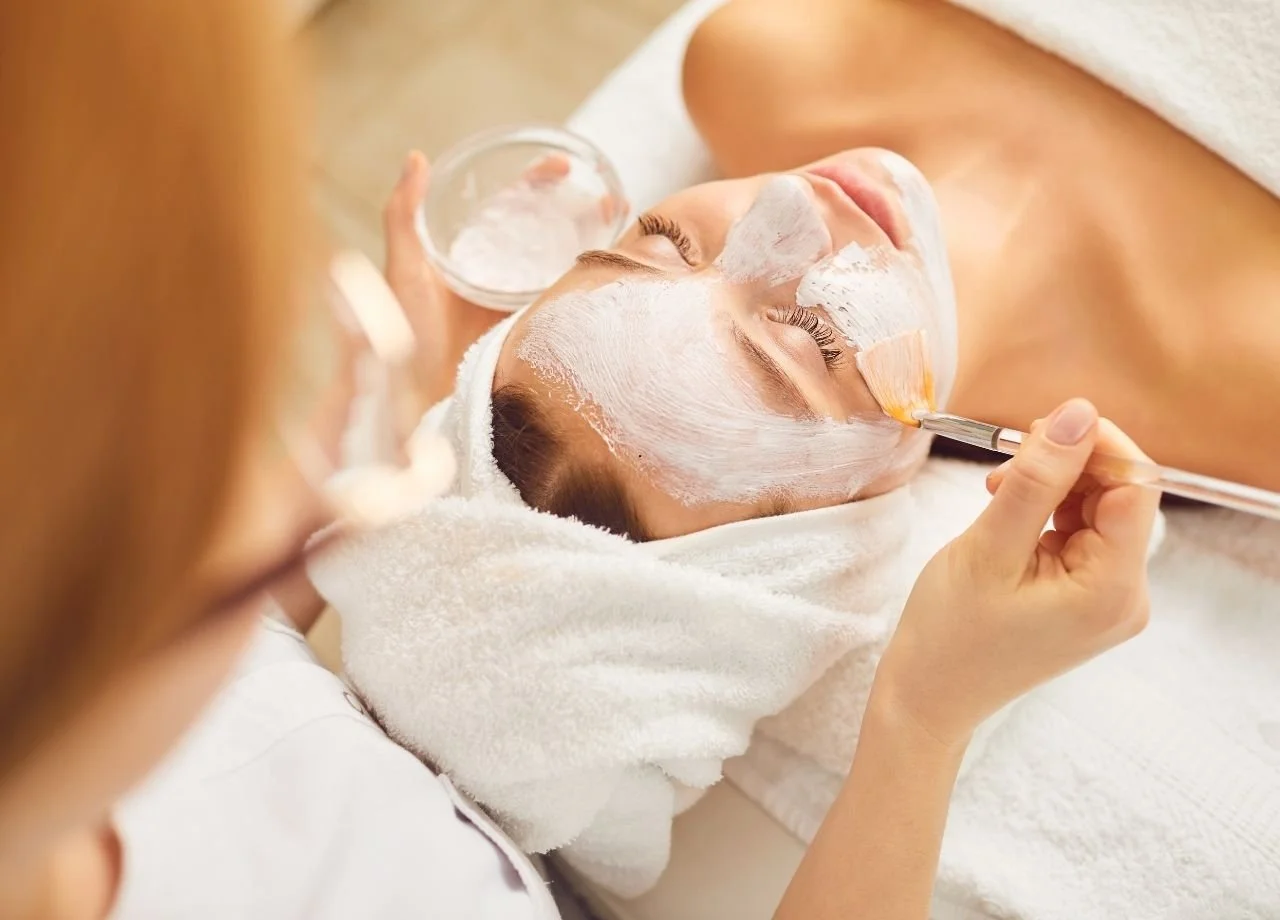
Acne is one of the most common skin concerns we see in the treatment room, and also one of the most misunderstood. Many clients arrive with a mix of hope and hesitation, wondering if facials are genuinely helpful for acne or if they risk making breakouts worse. This question comes up often at DaeGlo Studio, especially among those navigating adult acne, hormonal shifts, or long-standing congestion that never seems to fully clear.
From our professional vantage point as licensed estheticians working with acne-prone skin every day, facials can be deeply supportive for acne when they are performed with intention, technical skill, and respect for the skin barrier. They are not quick fixes, and they are not one size fits all. When approached correctly, facials become a steady, restorative practice that helps bring the skin back into balance over time.
Within our acne-focused facial rituals in Westhampton Beach, treatments are designed to calm inflammation, gently clear congestion, and support the skin’s natural renewal rhythms. This article explores how and why facials can support acne-prone skin, when they are most effective, and what truly matters when choosing professional care.
Understanding Acne Beyond the Surface
Acne is not simply a surface issue. It is a complex skin condition influenced by oil production, follicular congestion, bacteria, inflammation, hormones, lifestyle, and barrier health. Treating acne successfully requires understanding how these factors interact on an individual level.
When oil and dead skin cells become trapped inside the pore, they create an environment where acne-causing bacteria can thrive. This leads to inflammation that shows up as blackheads, whiteheads, papules, pustules, or deeper cystic lesions. External stressors like harsh products, over-exfoliation, and improper extractions can intensify this cycle rather than calm it.
Facials that are thoughtfully designed for acne address multiple layers of this process at once. They work to soften congestion, clear pores with care, reduce inflammation, and reinforce the skin’s protective barrier. This multifaceted approach is why professional treatments can complement a consistent home routine so effectively.
How Professional Facials Support Acne-Prone Skin
A well-executed facial does far more than cleanse the surface of the skin. Each step is chosen to guide the skin back toward equilibrium rather than forcing rapid change. This distinction is especially important for acne-prone clients whose skin is often reactive or sensitized.
Professional cleansing removes impurities that daily cleansing may miss, especially when oil production is elevated. Gentle exfoliation encourages healthy cell turnover, helping prevent dead skin buildup that contributes to clogged pores. Steam or controlled heat softens congestion, preparing the skin for safe extractions when appropriate.
Extractions are often the most talked-about aspect of acne facials, and also the most misunderstood. When performed correctly by a trained esthetician, extractions can reduce existing congestion without trauma. When performed aggressively or too frequently, they can worsen inflammation and prolong healing. Skill and restraint matter.
Facials also introduce targeted treatments like calming masks, antibacterial ingredients, or LED light therapy that reduce redness and support recovery. These professional-grade interventions create an environment where the skin can heal rather than fight itself.
The Importance of Customization in Acne Treatments
No two acne cases are the same. One client may struggle with surface congestion and occasional breakouts, while another experiences deep, painful cysts driven by hormonal fluctuations. Treating these conditions with the same facial protocol would be ineffective and potentially harmful.
Customization is essential. At DaeGlo Studio, every acne-focused facial begins with a detailed skin analysis that considers not just what is visible, but what the skin has been through. Product history, lifestyle patterns, sensitivity levels, and previous treatments all inform how we proceed.
Some acne-prone skins require more calming and barrier repair before active treatments can be introduced. Others benefit from gentle exfoliation and consistent pore care. This personalized approach allows facials to work with the skin’s current state rather than pushing it beyond what it can tolerate.
This is one of the primary reasons professional facials often succeed where at-home experimentation falls short. The skin receives exactly what it needs in that moment, guided by trained observation and experience.
When Facials Can Make Acne Worse
Facials are not inherently beneficial for acne if they are performed incorrectly. This is an important truth that deserves clarity. Over-exfoliation, harsh acids, aggressive extractions, and pore-clogging products can all exacerbate breakouts.
Clients who receive facials that are too frequent or too intense may experience increased inflammation, compromised barrier function, and prolonged healing times. Acne-prone skin thrives on consistency and patience, not shock and force.
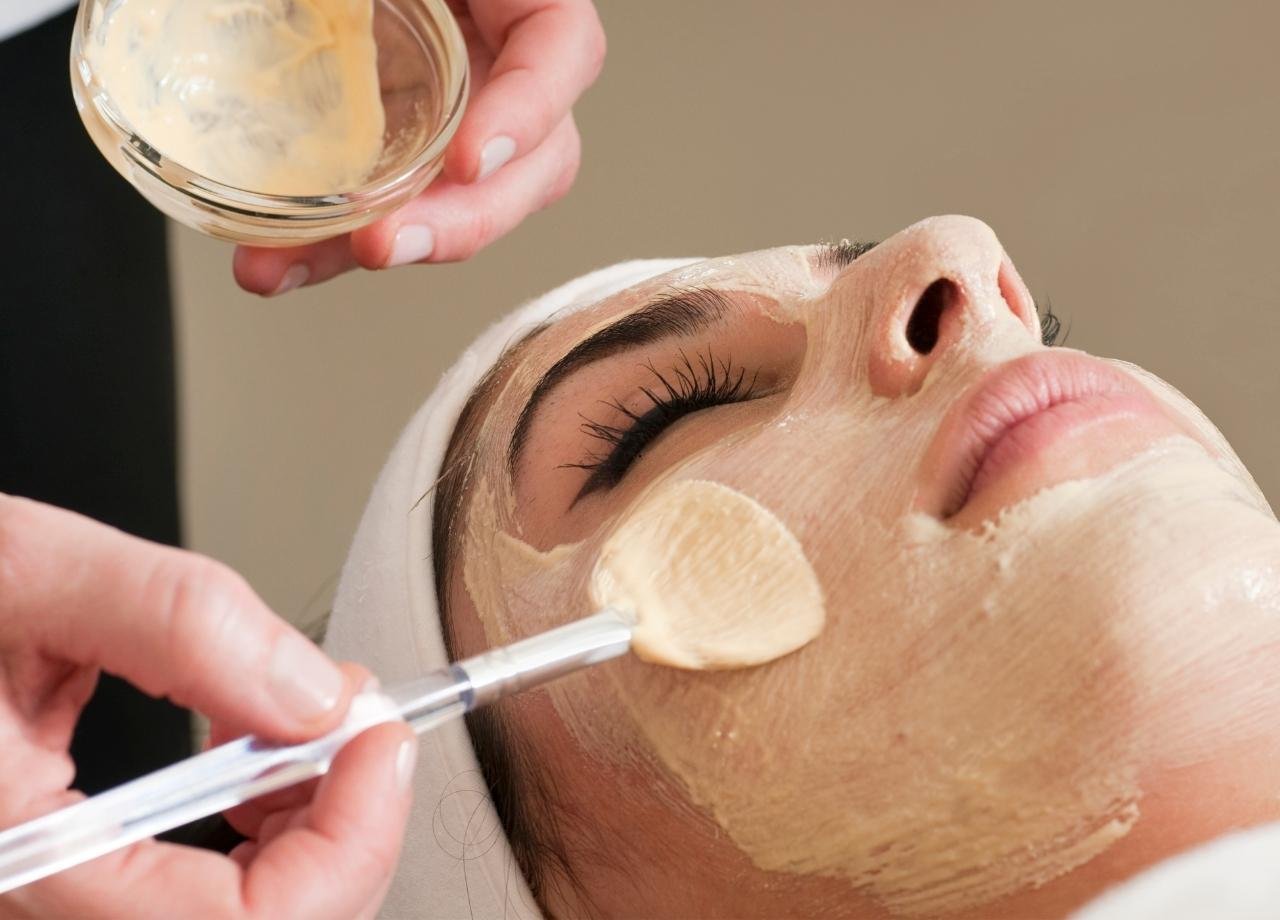
Another common issue arises when facials are performed without consideration for a client’s home routine. Professional care and daily skincare must work together. If post-facial guidance is missing or unclear, clients may unknowingly undo the benefits of their treatment.
This is why choosing an acne-aware facial studio matters. Facials should feel supportive, not punitive. Skin improvement is gradual, steady, and respectful of the body’s rhythms.
The Role of Inflammation and Barrier Health
Inflammation plays a central role in acne. Even non-inflamed congestion can quickly become inflamed when the skin barrier is compromised. Many acne sufferers unknowingly damage their barrier through over-cleansing, frequent exfoliation, or drying treatments.
Facials that focus on barrier repair can significantly improve acne outcomes. Hydrating masks, lipid-replenishing serums, and calming modalities help reduce redness and strengthen the skin’s defenses. When the barrier is healthy, the skin regulates oil more effectively and responds better to treatment.
This approach often feels counterintuitive to clients who believe acne requires constant drying or stripping. In reality, balanced hydration and barrier support create an environment where breakouts resolve more efficiently and recur less frequently.
How Consistency Shapes Acne Improvement
One facial alone rarely clears acne completely. Lasting improvement comes from consistency. Regular treatments spaced appropriately allow the skin to gradually shift toward clearer, calmer function.
Professional facials help keep pores clear, manage oil production, and support cellular renewal. Over time, this reduces the likelihood of congestion building to the point of inflammation. Consistent care also allows your esthetician to adjust treatments as your skin evolves.
This ongoing relationship between skin and practitioner is invaluable. Subtle changes are noticed early, and treatments can be refined before issues escalate. Acne care becomes proactive rather than reactive.
The Emotional Side of Acne and Professional Care
Acne affects more than the skin. It can influence confidence, social comfort, and self-perception. Professional facials offer a space where acne is treated with respect and care rather than frustration or judgment.
This emotional component matters. Stress and anxiety can worsen breakouts through hormonal and inflammatory pathways. A facial experience that feels calming and supportive can indirectly benefit the skin by helping regulate these internal responses.
At DaeGlo Studio, acne care is approached as a form of intentional self-care. The treatment room becomes a place to reset, breathe, and reconnect with your body’s capacity to heal.
What to Expect After an Acne Facial
Post-facial responses vary depending on skin type and treatment intensity. Mild redness or sensitivity can occur, especially after extractions. This typically subsides within a day or two.
Some clients experience a brief purging phase as congestion that was already forming beneath the surface comes to light. This is not new acne being created, but rather existing blockages resolving. Clear communication about this process helps set realistic expectations.
Following post-treatment guidance is essential. Gentle cleansing, proper hydration, and sun protection support healing and extend the benefits of the facial. Skipping these steps can compromise results.
Are Facials Good for Acne Long Term
When performed thoughtfully and consistently, facials can be an effective long-term support for acne-prone skin. They help maintain pore clarity, regulate oil production, and reinforce barrier health. They also provide professional oversight that adapts as your skin changes.
Facials are not a replacement for medical care in severe cases, and they are not instant solutions. They are part of a broader skin wellness practice that includes proper home care, lifestyle awareness, and patience.
From our experience working with clients across Westhampton Beach and the Hamptons, facials become most powerful when they are viewed as a steady rhythm rather than a rescue treatment. Over time, this approach fosters skin that feels calmer, clearer, and more resilient.
A Thoughtful Path Forward for Acne Care
Acne does not define your skin, and it does not require aggressive correction to improve. Facials, when grounded in education and care, offer a gentle yet effective way to support the skin’s natural healing processes.
If you are considering professional care for acne, seek out practitioners who listen, observe, and tailor treatments to your skin’s needs. Progress may be gradual, but it is often more sustainable and far kinder to the skin.
Clearer skin is not about forcing change. It is about creating the right conditions for balance, repair, and renewal. When facials are practiced with this philosophy, they can be a meaningful ally in your acne journey.
